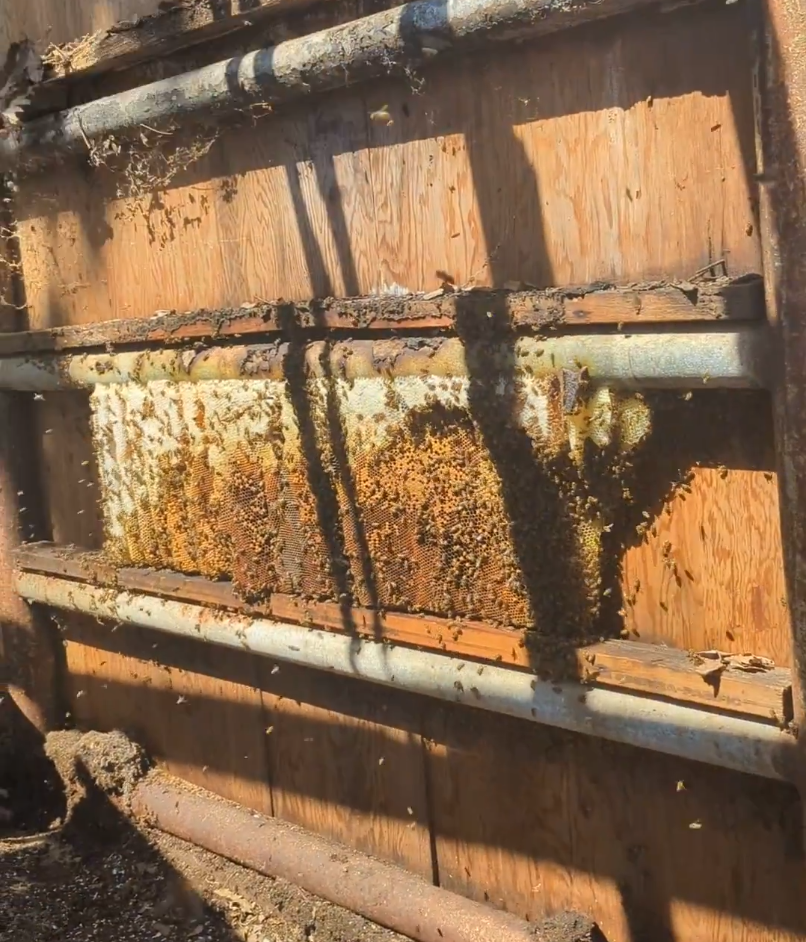
What to Expect During a Live Bee Removal
You walk into your backyard and hear it: a low, persistent hum. You follow the sound and discover thousands of bees pouring in and out of a gap in your eaves, your shed, or even the wall of your house. Your first instinct might be panic—or reaching for a can of pesticide.
But here's the thing: those bees aren't your enemy. They're essential pollinators, and with the right approach, they don't have to be a problem. That's where live bee removal comes in.
At Gone Country Farms, we specialize in humane bee removal, relocating colonies safely while protecting both you and the bees. Here's what the process looks like and why it matters.
Why Live Removal Matters
Bees are in trouble. Colony collapse disorder, habitat loss, and pesticide use have decimated bee populations worldwide. Every hive we save is a small victory for the environment—and for the future of our food supply. One-third of the food we eat depends on pollinators like honeybees.
Beyond the environmental impact, live removal is simply the right thing to do. Bees are peaceful creatures. They're not aggressive unless they feel threatened, and they're just looking for a safe place to build their home. Killing them should always be the last resort—and with live removal, it doesn't have to be an option at all.
Did You Know? A single honeybee colony can pollinate up to 300 million flowers in a season. By saving one hive, you're directly supporting local agriculture and biodiversity.
Our Live Bee Removal Process
Every bee removal is different, but here's the general process we follow at Gone Country Farms:
Step 1: Assessment
We start with a phone call or site visit to assess the situation. Where are the bees? How long have they been there? Is the hive in an accessible location? We'll ask questions to understand the scope of the job and provide you with an honest assessment and quote.
Step 2: Preparation
On removal day, we arrive with all the necessary equipment: bee suits, smokers, hive boxes, and tools to safely access the colony. We'll explain the process to you and answer any questions before we begin.
Step 3: Locating the Queen
The key to a successful bee removal is finding the queen. Where she goes, the colony follows. We carefully open the area where the bees have nested—whether that's removing siding, opening a wall cavity, or accessing an attic space—and locate the queen bee.
Step 4: Transferring the Bees
Once we've found the queen, we gently transfer her into a hive box. The worker bees will follow. We use smoke to calm the bees and minimize stress during the process. This isn't a quick job—it can take several hours depending on the size of the colony—but we take our time to do it right.
Step 5: Removing the Honeycomb
After the bees are safely in the hive box, we remove the honeycomb and honey from the structure. If we leave it behind, it can attract pests, cause structural damage, or lure another swarm. We clean the area thoroughly to prevent future issues.
Step 6: Relocation
The bees are transported back to Gone Country Farms, where they're introduced to our apiary. We monitor them closely for the first few weeks to ensure they're thriving in their new home. Once established, they become productive members of our farm—pollinating our crops and producing raw Dulzura honey.
What We Can (and Can't) Do
We specialize in accessible live bee removals—meaning situations where we can safely reach the hive without extensive construction or demolition. This includes:
• Bees in attics, sheds, or outbuildings
• Hives in trees, bushes, or exterior walls
• Swarms on fences, branches, or structures
What we don't do: If the hive is deep inside a wall, under a concrete slab, or requires major structural work to access, we may not be able to help. In those cases, we'll refer you to a specialist or recommend alternative solutions.
How Much Does It Cost?
Our standard live bee removal service is $250. This includes the assessment, removal, honeycomb cleanup, and relocation of the bees. More complex removals may cost more depending on the difficulty and time required.
Compared to the cost of extermination (which can range from $100 to $500 depending on the company), live removal is competitively priced—and you get the peace of mind knowing you saved a vital pollinator colony.
What Happens After Removal?
Once the bees are gone, you're bee-free! We recommend sealing the entry point they used to prevent future colonies from moving in. If you'd like, we can provide guidance on bee-proofing your property to avoid repeat issues.
And who knows—maybe the honey we harvest from "your" bees will end up in a jar with your name on it. We love telling our customers where their honey came from, and former hive locations often have great stories.
Need a Bee Removal?
If you've discovered bees on your property, don't panic—and don't reach for the pesticide. Contact Gone Country Farms for a humane, professional removal.
Call Us: (619) 316-9689